Purchase the solar installation outright.
This route suits clients who want to own the inverter, battery and solar equipment and plan for long-term value after the system is paid for.
Request a Solar Quote Powering your world, safely and efficiently.Request a Quote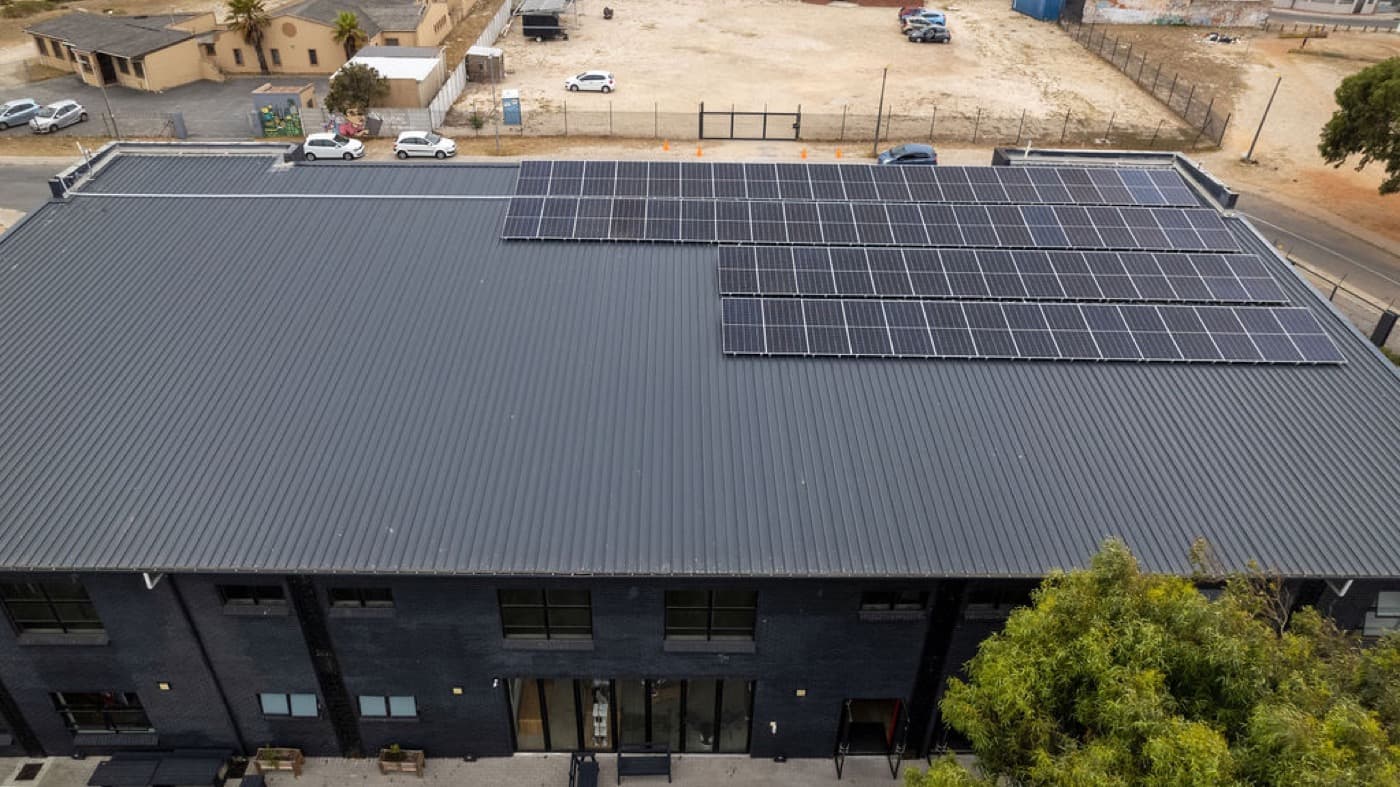
Solar and backup power
GJS designs and installs solar, inverter and battery systems for Cape Town homes and businesses. Equipment is selected around the property load, essential circuits and the way power is used during the day.
Service overview
A useful solar system needs to match the property. The monthly bill gives an indication of energy use, but circuit loads, roof space, shading, supply type and backup priorities still need to be checked on site.
GJS plans the inverter, battery, panels and DB changes as one installation. This helps avoid oversized promises, overloaded backup circuits and equipment that cannot be expanded cleanly later.
Solar purchase or subscription
GJS still starts with the same electrical checks. The difference is how the customer accesses the system once the load, roof space, DB layout and backup requirements are understood.
This route suits clients who want to own the inverter, battery and solar equipment and plan for long-term value after the system is paid for.
Request a Solar QuoteA lower-upfront route for qualifying customers who prefer a monthly subscription instead of a once-off system purchase. Approval and final terms are handled through Glint.
Explore Solar SubscriptionPractical support
Essential circuits selected to keep lighting, refrigeration, connectivity and security running.
Solar production planned around daytime demand and realistic opportunities to offset grid use.
Inverter, battery and panel capacity checked against the loads they are expected to support.
Essential circuits, changeover equipment and protection coordinated with the existing board.
Equipment and layout considered against likely later battery, panel or load additions.
Solar generation assessed against operating hours and the building's daytime load profile.
Why GJS Electrical
Registered electrical contractor
The recommendation starts with what must run and when the property uses electricity.
The solar system is integrated with the distribution and protection already on site.
GJS has installed systems for homes, community facilities and commercial properties.
Operating modes, protection and backed-up circuits are checked with the client.
Questions clients ask
System size depends on the monthly usage, daytime demand, essential loads, supply type, roof space and the level of backup required. A site assessment confirms the final design.
It can reduce grid use when the property consumes solar power as it is generated. The result depends on system size, daytime use, tariffs and operating settings.
Possibly, but these are significant loads. Their power demand, startup current and operating schedule must be considered before equipment is selected.
Yes. GJS assesses commercial solar and backup systems around operating hours, daytime loads, distribution, roof space and site requirements.
Solar and backup work requires the appropriate electrical testing and documentation. Municipal or engineering requirements can also apply depending on the system and property.
Get GJS on the job
Send the site details, photos or drawings and speak directly to the GJS team.