
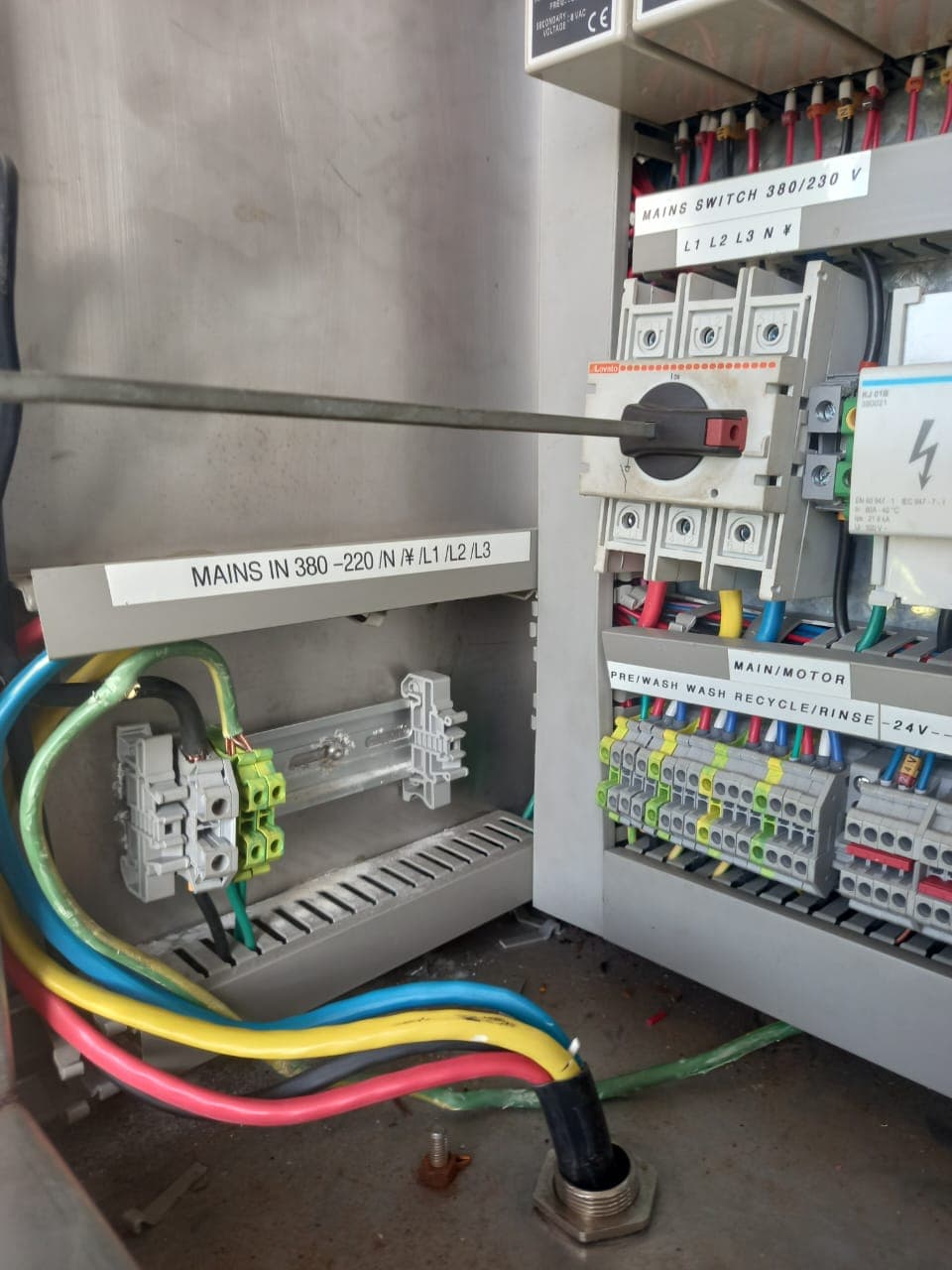
Most homes run comfortably on single phase. Three phase becomes relevant when the property has larger loads or needs power distributed differently.
The simple difference
Single-phase power supplies a home through one live phase and is suitable for the normal mix of lighting, plugs and household appliances. It is common in houses and apartments because it is straightforward and often provides enough capacity when the loads are planned properly.
Three-phase power uses three live phases. The available load can be shared across them, which makes it useful for larger properties, heavy equipment and installations with several substantial loads. It is not automatically better for every home. The right supply depends on what the property needs to run now and what may be added later.
When single phase is usually enough
A typical home with one kitchen, one geyser and normal general-purpose circuits can often remain on single phase. Even an inverter and solar installation can be designed around a single-phase supply when the equipment, essential circuits and maximum demand are correctly assessed.
Problems blamed on single phase are sometimes caused by a small main breaker, poor circuit distribution or several appliances being used together. Before applying for a supply change, test the installation and calculate the actual load. A DB reconfiguration or better load control may solve the issue at lower cost.
Loads that can change the calculation
Large ovens, multiple geysers, heat pumps, borehole pumps, air-conditioning, workshop machinery and powerful EV chargers can materially increase demand. A large home may also have a cottage, entertainment area or outbuilding that needs a meaningful share of the supply.
The important question is not only the rating printed on each appliance. It is which loads are likely to run at the same time. An electrician uses that information to estimate maximum demand and decide whether circuits should be separated, managed or distributed across phases.
- List fixed appliances and their ratings.
- Note loads that run for long periods, such as heating and charging.
- Include planned additions, not only what is installed today.
- Check the existing main supply and DB capacity.
Inverters, solar and EV charging
An inverter must be selected and connected for the supply arrangement at the property. A single-phase inverter cannot simply back up every circuit on a three-phase site. The design may use selected loads on one phase, a three-phase inverter arrangement or separate equipment depending on the brief.
EV charging also needs load planning. A charger that is acceptable on paper can cause nuisance trips when cooking, water heating and other loads run together. Dynamic load management may be an option, but the supply, DB and cable route must still support the installation safely.
Cost and practical work involved
Changing from single phase to three phase is not only a DB-board job. The electricity supply authority may need to approve and carry out work on the incoming supply or meter. The property installation then needs suitable main protection, DB arrangements, cabling, testing and certification.
Costs vary because the existing supply, cable route, meter position and DB condition differ from one property to the next. It makes sense to confirm feasibility before buying large appliances, an inverter or an EV charger. Equipment ordered before the supply is checked can force an awkward redesign.
Plan from the loads, not the label
Three phase is valuable when a property genuinely needs the capacity or load distribution. It can also add complexity when there is no clear reason for it. A proper assessment looks at measured use, planned equipment, simultaneous demand and the condition of the installation.
GJS can inspect the supply and DB, discuss future loads and prepare a practical electrical plan. Send the appliance list, drawings or proposed equipment before the visit. That gives the electrician enough context to advise whether the existing supply can stay or an upgrade should be investigated.
On an existing three-phase property, the loads also need to be balanced sensibly. Putting most high-use equipment on one phase can cause trips even when the total supply appears large enough. Measuring each phase and checking the circuit schedule shows whether redistribution is needed before more capacity is requested.
For a new build, settle the supply strategy before the main board, inverter and large appliances are ordered. That keeps the equipment ratings and cable routes aligned and avoids paying to change recently installed work.